
Bioplastic Malaysia: Driving Sustainable Material Innovation
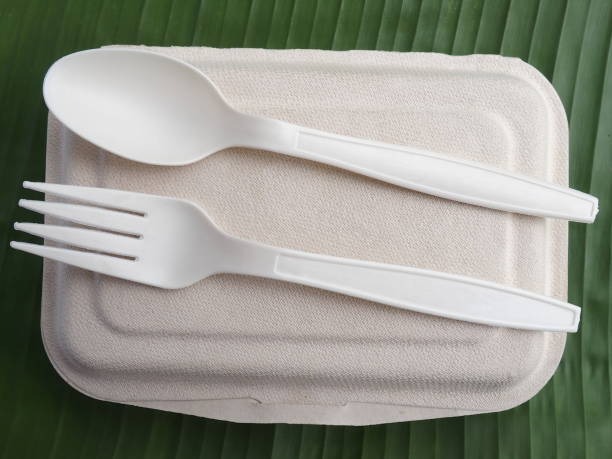
As industries seek environmentally responsible alternatives to conventional plastics, bioplastic malaysia has emerged as an important solution for supporting sustainable manufacturing and packaging. Bioplastics are developed from renewable or bio-based resources and are designed to help reduce dependence on fossil-based plastics while supporting broader sustainability initiatives.
Businesses across sectors such as food packaging, consumer goods, healthcare, and manufacturing are increasingly exploring bioplastics to align with environmental goals and evolving market expectations.
What Is Bioplastic?
Bioplastics are materials made wholly or partly from renewable biological resources such as plant-based feedstocks. Depending on the type of bioplastic, some materials are designed to be biodegradable under specific conditions, while others focus on reducing reliance on petroleum-based raw materials without necessarily being biodegradable.
Businesses interested in bioplastic malaysia can explore innovative material solutions that support sustainability while meeting the performance requirements of various industrial and commercial applications.
Benefits of Bioplastics
The adoption of bioplastics offers several advantages for businesses committed to sustainable practices, including:
- Reduced dependence on fossil-based plastics
- Support for corporate sustainability initiatives
- Use of renewable raw materials
- Suitable for various packaging and industrial applications
- Improved environmental responsibility
- Alignment with changing consumer and market expectations
These benefits make bioplastics an increasingly attractive option for organisations seeking long-term sustainability strategies.
Applications Across Industries
Bioplastics can be used in a wide range of industries and products, including:
- Food and beverage packaging
- Retail packaging
- Consumer products
- Healthcare applications
- Agriculture
- Industrial manufacturing
The choice of bioplastic depends on factors such as durability, flexibility, product requirements, and the intended disposal or recycling method.
Choosing the Right Bioplastic Solution
When selecting bioplastic materials, businesses should evaluate material properties, intended application, environmental objectives, regulatory requirements, and supplier expertise. It is also important to understand that different types of bioplastics have different characteristics, including varying levels of biodegradability and compostability depending on the material and disposal conditions.
Working with an experienced supplier helps ensure that the selected solution supports both operational performance and sustainability goals.
Conclusion
Adopting bioplastic malaysia solutions enables businesses to move towards more sustainable production and packaging practices while maintaining product quality and functionality. By integrating innovative bio-based materials into their operations, organisations can support environmental responsibility, meet evolving market demands, and contribute to a more sustainable future.