
Learn what coupler means, where it is used, and how to choose the right coupler for electrical and construction needs.
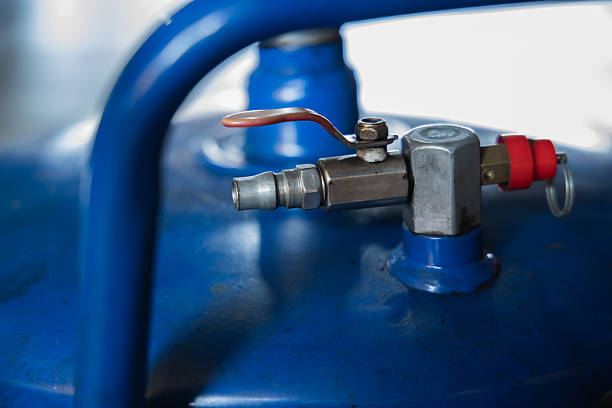
Coupler
In construction and electrical work, small connection components often play an important role in keeping systems secure and properly aligned. Among these components, a coupler is commonly used to join two parts together in a way that supports continuity, stability, and ease of installation. Although it may appear simple, the correct selection can affect both performance and long-term reliability.
In practical terms, coupler refers to a fitting designed to connect two sections of conduit, pipe, or related components. It is widely used in projects where a straight and secure connection is needed between matching parts. In electrical installations, it helps maintain an organized routing system while protecting the integrity of the connection between conduit sections.
Common Uses in Construction and Electrical Work
This type of fitting is used across residential, commercial, and industrial applications. In electrical systems, it is often installed to join conduit lengths so that cables can be routed safely through a continuous protective pathway. This helps support a neat installation and reduces unnecessary exposure of wiring to dust, impact, or other site conditions.
Beyond electrical work, a coupler may also be used in broader construction settings where aligned joining is necessary. The value of this component lies in its ability to provide a simple connection point without adding excessive complexity to the installation. For contractors and installers, that practical function can make planning and assembly more efficient.
Why Proper Selection Matters
Choosing the correct fitting is important because not all connection points face the same conditions. The installation environment, material compatibility, size, and required durability all influence whether a particular product is suitable. In indoor settings, the priorities may focus on fit and compliance, while outdoor or industrial sites may require stronger resistance to moisture, corrosion, or physical wear.
A properly specified coupler can also support maintenance and consistency across the overall system. When connections are secure and compatible with surrounding components, the installation is generally easier to inspect, extend, or repair in the future. This is especially important in projects where reliability and orderly routing are part of the design requirement.
Key Factors to Consider Before Buying
Before making a selection, buyers should review dimensions, material type, installation method, and intended use. Even where two options appear similar, differences in specification can affect how well the fitting performs on site. Matching it to the relevant conduit or system standard is also essential to avoid issues during installation.
It is also useful to consider the broader project context. If the application involves frequent exposure to challenging site conditions, the connection component should be appropriate for that environment. Likewise, if the project requires a clean and uniform installation, consistency in sizing and finish becomes more important. These practical checks can help reduce delays and avoid replacement costs later.
In summary, a coupler is a small but necessary part of many construction and electrical systems because it helps connect sections securely and maintain continuity throughout an installation. For project teams, understanding the purpose and specification of a coupler can support better purchasing decisions and more dependable project outcomes.